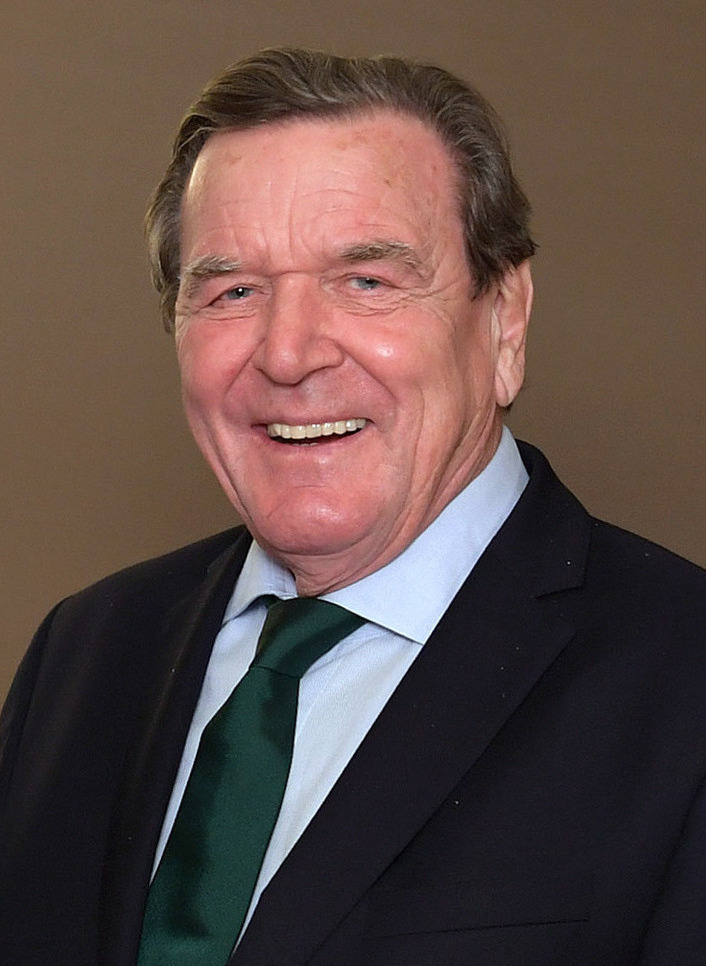
Gerhard Schröder's Staff Quits Amidst Putin Ties and Ukraine War Controversy
The political landscape surrounding former German Chancellor Gerhard Schröder has reached a new boiling point, as his long-standing staff members have reportedly resigned en masse. This dramatic development underscores the growing pressure on Schröder to sever his controversial ties with Russian President Vladimir Putin and relinquish his lucrative positions within Russian state-owned energy corporations, a stance widely condemned in the wake of Russia's full-scale invasion of Ukraine. The staff exodus, coupled with demands from academic institutions like the University of Göttingen, paints a stark picture of a former leader increasingly isolated and facing profound challenges to his legacy.
The Exodus: A Clear Stance Against Putin's Aggression
In a striking act of defiance and moral clarity, three members of Gerhard Schröder's personal staff, including his long-time office manager Albrecht Funk, have reportedly resigned. Their collective decision was a direct response to Schröder's unwavering refusal to distance himself from Kremlin leader Vladimir Putin and his persistent commitment to his roles on the boards of major Russian energy giants such as Rosneft, Nord Stream, and the prospective role at Gazprom.
The former employees' decision was driven by a clear choice: to stand
for Ukraine and
against the perceived gas lobbyist. This brave move not only highlights the deep moral quandary many face regarding Russia's aggression but also signals a significant blow to Schröder's operational capabilities. Losing experienced staff, especially a long-term office manager, creates substantial practical difficulties for any former head of government. Furthermore, the situation presents a delicate matter for current Chancellor Olaf Scholz, who must address the placement of the former office manager, who reportedly has a right of return to the Chancellery, and decide whether new staff will be allocated to Schröder at the taxpayer's expense. This episode serves as a powerful testament to the personal and professional sacrifices being made in the face of geopolitical conflict, demonstrating that even those closest to powerful figures are unwilling to silently endorse actions they deem morally reprehensible.
A Legacy Under Scrutiny: From Political Architect to Controversial Figure
Gerhard Schröder's political career has been one of significant impact, marked by his tenure as Minister-President of Lower Saxony from 1990 to 1998, followed by his seven years as German Chancellor. During his time as Minister-President, particularly around the pivotal year of 1998 when he was consolidating his influence ahead of becoming Chancellor, he was known for significant political initiatives. While the specific question of
welches Amt hat Gerhard Schröder 1998 neu geschaffen (what office Gerhard Schröder newly created in 1998) might evoke memories of his era of political reform and ascent, the current discourse surrounding the former Chancellor has drastically shifted.
His contributions to Germany's political landscape, including his support for the natural sciences at the University of Göttingen (which earned him an honorary doctorate in 2005) and his impetus for public debate on biosciences and biotechnology as Chancellor, are now overshadowed by his contentious post-chancellorship activities. Schröder's long-standing friendship with Vladimir Putin, whom he famously once called a "flawless democrat," has transformed from a personal bond into a significant political liability. His ongoing engagement with Russian energy companies, even as Russia wages a devastating war in Ukraine, has led to widespread condemnation and a re-evaluation of his historical legacy. The focus is no longer on the offices he might have created or reformed, but on the roles he currently holds and steadfastly refuses to relinquish, despite immense public and political pressure. This dramatic shift illustrates how a leader's post-retirement conduct can profoundly redefine their entire public image and historical standing.
The Wider Repercussions: Honorary Doctorates and Party Demands
The staff resignations are but one facet of the escalating pressure on Gerhard Schröder. The Georg-August-Universität in Göttingen has formally requested that Schröder relinquish his honorary doctorate, awarded for his significant support of the natural sciences during his time as Minister-President of Lower Saxony (1990–1998) and later as Chancellor. The university stated that its decision aligns with its policy to terminate all academic and economic cooperation with Russia, viewing Schröder's continued ties to the "aggressor's economic apparatus" as incompatible with its values. The institution explicitly criticized Schröder for failing to label Russia's actions in Ukraine as a "criminal war of aggression," even after weeks of bitter fighting and a worsening humanitarian catastrophe.
Adding to his woes, Schröder's public statements on alleged war crimes have further inflamed the controversy. He expressed disbelief that Putin would have ordered the atrocities in Bucha, a stance that drew sharp criticism globally. Domestically, prominent figures within his own party, the SPD, including co-leader Saskia Esken, have openly called for him to leave the party. Furthermore, discussions are underway in the Bundestag regarding potential limitations on the financial and staffing provisions traditionally afforded to former chancellors, a direct response to Schröder's controversial conduct. These combined pressures from academic institutions, political parties, and the broader public highlight the severe consequences of maintaining ties with a regime engaged in widely condemned military actions.
Göttingen Demands Schröder Relinquish Honorary Doctorate Over Ukraine Stance and
Schröder Under Fire: Russian Ties Lead to Doctorate Demand & Staff Exodus provide further insights into these developments.
Understanding the Stakes: Why Schröder's Ties Matter
The ongoing saga surrounding Gerhard Schröder is more than just a personal drama; it carries significant ethical, political, and reputational implications for Germany and the international community. A former head of government, who once represented democratic values on the global stage, maintaining close business relationships with a state now widely condemned for its aggression raises profound questions about loyalty, influence, and the perception of national interests.
*
Ethical Dilemma: Schröder's refusal to distance himself from Putin despite overwhelming evidence of war crimes and humanitarian crises poses a severe ethical challenge. It implies a prioritization of personal gain or loyalty over the condemnation of atrocities.
*
Political Influence: His positions on the boards of state-owned Russian energy companies give him access and a platform, which critics argue could be used to undermine Western sanctions or influence public opinion in ways beneficial to the Kremlin.
*
Reputational Damage: For Germany, Schröder's continued association with Putin taints its image, potentially suggesting a lingering ambivalence towards Russia's actions, despite the government's strong condemnation. It creates an awkward tension for current German leaders navigating complex international relations.
*
Lessons for Leadership: This situation serves as a stark reminder of the enduring responsibility that comes with high office, even after retirement. The actions of former leaders can continue to impact national standing and moral authority.
For individuals and organizations, the lesson is clear: in times of severe international crisis, aligning with or profiting from an aggressor nation can lead to immediate and severe consequences, including staff resignations, institutional condemnation, and a complete re-evaluation of one's public and historical standing. Transparency, ethical leadership, and a clear moral compass are paramount.
Conclusion
The resignation of Gerhard Schröder's staff marks a critical turning point in the ongoing controversy surrounding his ties to Vladimir Putin and Russian energy companies. This, combined with the University of Göttingen's demand for his honorary doctorate's return and calls from within his own party for his expulsion, underscores the profound moral and political isolation the former Chancellor now faces. While his earlier political career, including questions of *what office Gerhard Schröder newly created in 1998* during his ascendancy, speaks to a different era, his current actions have undeniably redefined his legacy. The narrative has shifted from his past achievements to a stark interrogation of his present loyalties, highlighting the enduring responsibility of public figures to uphold democratic values, even beyond their tenure in office.