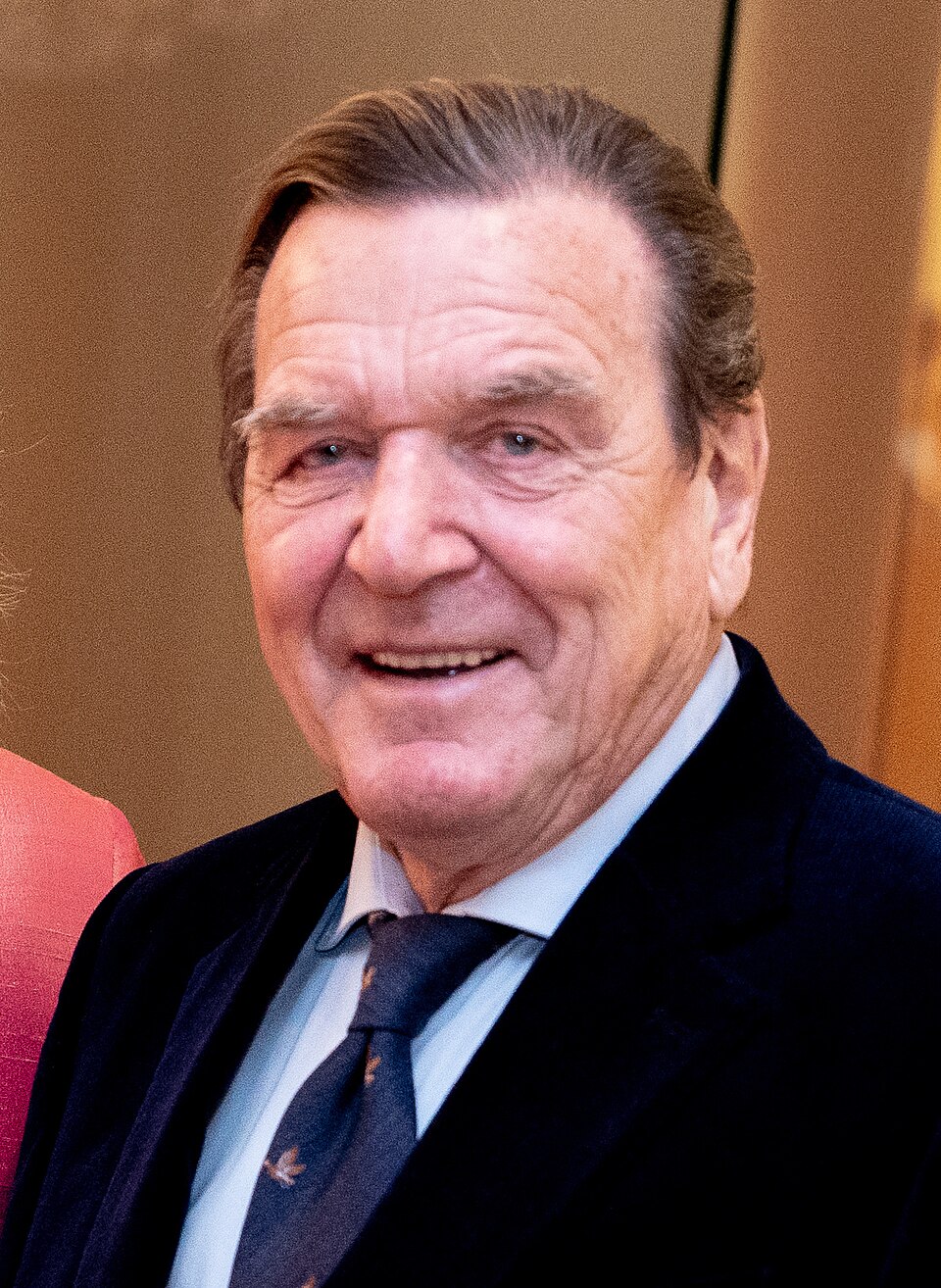
Göttingen Demands Schröder Relinquish Honorary Doctorate Over Ukraine Stance
The prestigious Georg-August University in Göttingen has taken a decisive stand, publicly calling upon former German Chancellor Gerhard Schröder to relinquish his honorary doctorate. This unprecedented demand stems directly from Schröder's controversial stance on Russia's war against Ukraine and his unwavering, lucrative ties to Russian state-owned energy corporations. The university's move is a powerful statement, aligning with broader political directives in Germany to sever academic and economic collaborations with Russia, signaling a significant escalation in the ongoing criticism leveled against the former head of government.
Schröder's Unyielding Stance and the University's Principled Condemnation
At the heart of the controversy is Gerhard Schröder's persistent refusal to unequivocally condemn Russia's invasion of Ukraine as a "criminal war of aggression." Despite weeks of brutal hostilities and a rapidly worsening humanitarian catastrophe, Schröder has refrained from using language that accurately reflects the gravity of the situation, a position that has drawn widespread international and domestic condemnation. The University of Göttingen, in its official statement, specifically highlighted this failure, deeming it fundamentally incompatible with the institution's core values and its commitment to peace and international law.
Further exacerbating the university's dismay is Schröder's continued active involvement in key positions within Russian energy companies. He serves as the head of the supervisory board for the oil giant Rosneft, holds a leading role in the Nord Stream pipeline projects, and was even slated to join the supervisory board of Gazprom. These roles, deeply embedded within the economic apparatus of the aggressor nation, are seen by the university as a direct contradiction to its guiding principles and ethical framework. The university emphasized that maintaining such positions, especially amidst an ongoing war, directly undermines any claim to academic honor or moral standing.
Adding another layer to the controversy, Schröder has publicly expressed skepticism about Russian President Vladimir Putin's direct responsibility for alleged war crimes in Bucha, Ukraine. Such statements further solidify perceptions of his alignment with the Kremlin and deepen the chasm between his views and those held by a significant portion of the German political and academic establishment. This refusal to acknowledge documented atrocities, coupled with his business dealings, paints a picture that the University of Göttingen found impossible to reconcile with the prestige of an honorary doctorate.
The Honorary Doctorate: A History of Recognition, Now Tarnished
Gerhard Schröder was awarded his honorary doctorate by the natural sciences faculties of the University of Göttingen in 2005, a year that marked the end of his chancellorship. The recognition was bestowed upon him for his extraordinary commitment to promoting the natural sciences during his tenure as Minister-President of Lower Saxony (1990–1998). Furthermore, as Federal Chancellor, he was credited with initiating crucial debates surrounding biosciences, thereby contributing significantly to a critical engagement with biotechnology and life sciences. It's worth noting that Schröder himself is an alumnus of the university, having studied law there.
Many observers, reflecting on Schröder's impactful career trajectory, might ponder, "Welches Amt Hat Gerhard Schröder 1998 Neu Geschaffen?" While Schröder didn't *create* a new office in 1998, this year was indeed pivotal as he assumed the highest political office in Germany: that of Federal Chancellor. This transition marked a significant shift from his long and successful career as Minister-President of Lower Saxony, propelling him onto the national and international stage where he served until 2005. During his chancellorship, he continued to be a figure of considerable influence, making decisions that shaped Germany's economic and social landscape, including his aforementioned contributions to scientific discourse. The current demand to revoke his honorary title starkly contrasts with the achievements and perceived contributions that originally warranted such academic distinction, underscoring the profound re-evaluation of his public service in light of recent events.
Wider Ramifications: Political and Personal Fallout for Schröder
The University of Göttingen's demand is not an isolated incident but rather part of a broader wave of pressure and criticism that has engulfed Gerhard Schröder. His unwavering loyalty to Russian President Vladimir Putin, whom he once famously described as a "flawless democrat," has led to significant political and personal consequences. One of the most telling signs of this fallout was the recent resignation of his entire office staff, including his long-serving office manager, Albrecht Funk. These individuals chose to step down due to Schröder's refusal to distance himself from Putin and relinquish his lucrative positions within Russian state-owned companies. This mass exodus not only leaves the former Chancellor without crucial administrative support but also highlights the moral dilemma faced by those associated with him. For more details on this, you can read Gerhard Schröder's Staff Quits Amidst Putin Ties and Ukraine War Controversy.
Politically, the former Chancellor faces immense pressure from within his own party, the Social Democratic Party (SPD). SPD co-leader Saskia Esken has publicly called on Schröder to leave the party, a dramatic turn of events for a figure who once led the SPD and served as Chancellor. Furthermore, discussions are underway in the Bundestag to potentially limit the taxpayer-funded entitlements for former chancellors, a move directly aimed at Schröder given his current controversies. This escalating pressure underscores the gravity of his actions and the profound impact they are having on his legacy and Germany's political landscape. The situation encapsulates a broader ethical debate about the responsibilities of former heads of state and their post-office engagements. For a comprehensive overview of the escalating pressures, see Schröder Under Fire: Russian Ties Lead to Doctorate Demand & Exodus.
Analysis: The Weight of an Honorary Title and Ethical Leadership
The demand from the University of Göttingen carries significant symbolic weight. Honorary doctorates are not merely decorative titles; they represent an institution's highest recognition of an individual's outstanding contributions and embody shared values. When a recipient's actions dramatically diverge from these values, academic institutions are compelled to reassess the honor. This situation underscores a crucial ethical principle: leadership, whether in politics or academia, demands a consistent moral compass. When public figures, especially former national leaders, engage in activities that contradict fundamental principles of democracy, human rights, and international peace, the institutions that once honored them face a dilemma.
The case of Gerhard Schröder serves as a stark reminder of the long-term implications of personal choices, particularly for individuals who have held positions of immense public trust. It highlights the ongoing debate about the appropriate boundaries for former political leaders, particularly concerning their post-office business dealings with controversial foreign regimes. The university's decision is not just about Schröder; it's about reaffirming the role of academic institutions as guardians of ethical standards and their willingness to take a stand when those standards are compromised.
Conclusion
The University of Göttingen's demand for Gerhard Schröder to relinquish his honorary doctorate marks a pivotal moment in the ongoing public reckoning with the former Chancellor's ties to Russia and his stance on the Ukraine war. Rooted in his refusal to condemn Russia's actions as a "criminal war" and his continued lucrative engagements with Russian energy giants, the university's decision reflects a deep-seated incompatibility with its foundational values. This move, echoing calls from within his own party and amidst a staff exodus, underscores the profound and multifaceted consequences of Schröder's choices. It serves as a potent reminder of the ethical responsibilities that accompany public office and honorary distinctions, reinforcing that even past achievements cannot shield an individual from accountability in the face of current moral transgressions.