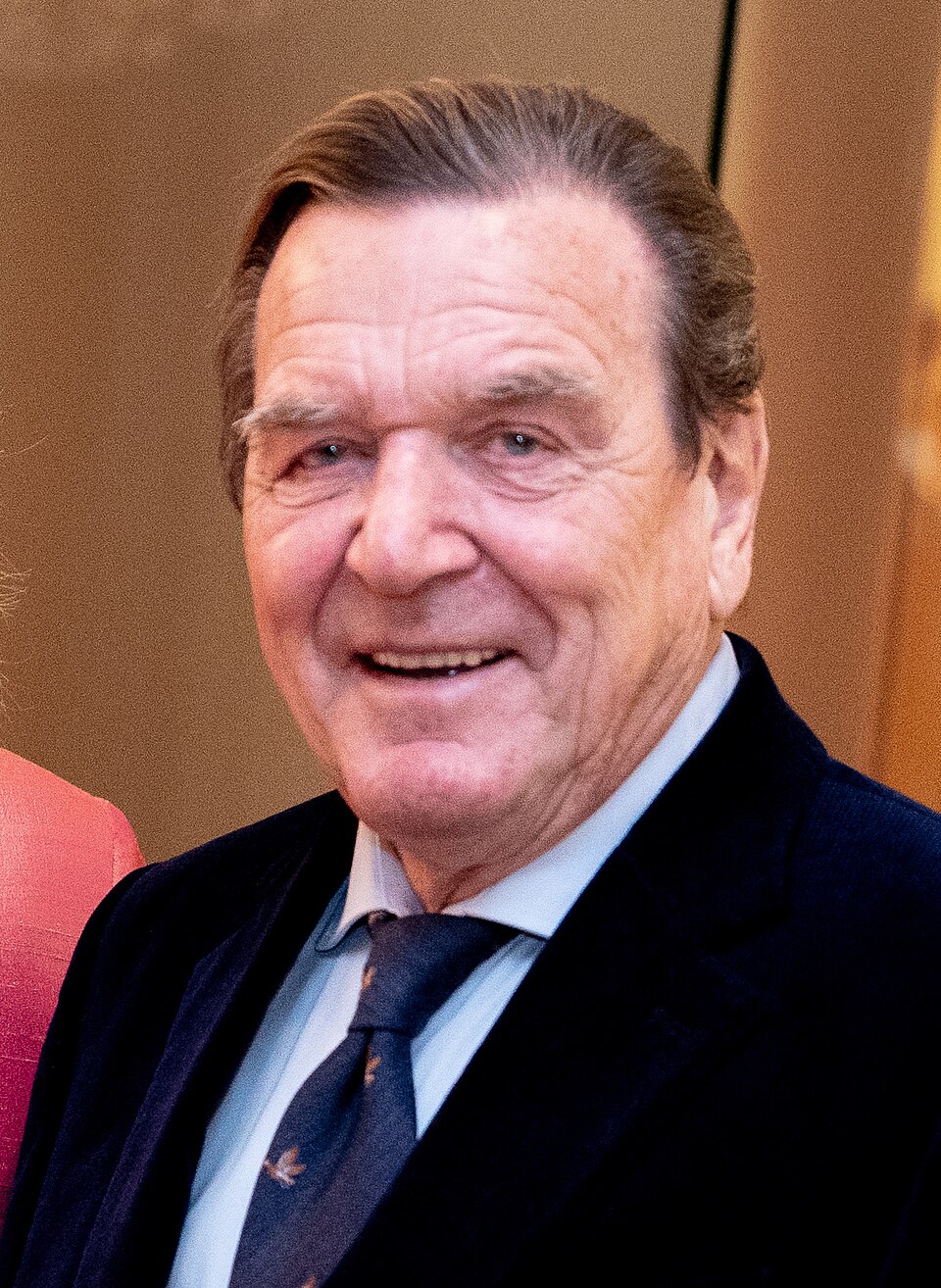
Gerhard Schröder's Russian Ties: A Legacy Under Siege
The political landscape in Germany, and indeed across Europe, has been irrevocably altered by recent geopolitical events. At the heart of a significant portion of this shift lies the enduring controversy surrounding former German Chancellor Gerhard Schröder. Once a towering figure in German politics, known for his modernizing reforms and a pragmatic approach to governance, Schröder now finds himself at the epicenter of intense scrutiny. His continued deep-seated ties to Russian energy companies and his perceived unwavering loyalty to Vladimir Putin, even amidst the brutal conflict in Ukraine, have triggered a cascade of repercussions, threatening to dismantle his hard-earned legacy. From academic institutions demanding the relinquishment of prestigious accolades to his own staff abandoning him, the pressure on Schröder is unprecedented.
While the question of "Welches Amt Hat Gerhard Schröder 1998 Neu Geschaffen" might not refer to a structural invention within the German political system, it undoubtedly points to the monumental shift in Gerhard Schröder's own career trajectory. In 1998, after a successful period as Minister President of Lower Saxony, Schröder ascended to the highly prominent role of Federal Chancellor. This new leadership position for him, assumed in 1998, marked the pinnacle of his political career, where he implemented significant reforms and shaped Germany's future. It is this very legacy, forged during years of public service, that now faces an existential threat.
The Göttingen Ultimatum: Honorary Doctorate Under Scrutiny
One of the most significant blows to Schröder's public standing has come from an unexpected quarter: academia. The Georg-August University in Göttingen, an institution where Schröder himself once studied law, has formally requested that the former Chancellor relinquish his honorary doctorate. This demand is not merely symbolic; it represents a profound moral and ethical indictment from an institution dedicated to intellectual integrity and global responsibility.
The university's reasoning is clear and resolute. In an official statement, the institution declared its commitment to upholding political directives that mandate the termination of all academic, research, and economic collaborations with Russia. Schröder's unwavering stance, his refusal to unequivocally condemn Russia's actions as a "criminal war of aggression," and his persistent retention of high-ranking positions within Russian state-affiliated companies are deemed fundamentally incompatible with the university's core values and guiding principles. Even weeks into what the university describes as "bitter warfare and an ever-worsening humanitarian catastrophe," Schröder has refrained from using language that accurately reflects the severity of the situation.
It is particularly ironic that this honorary title, bestowed in 2005 by the natural science faculties, was granted precisely for his exceptional dedication to promoting natural sciences at the university during his tenure as Minister President of Lower Saxony (1990–1998) and for fostering critical debate on biotechnology and life sciences as Chancellor. His contributions were recognized as pivotal in shaping academic discourse and development. Now, those same institutions feel compelled to disassociate themselves from a man whose current actions contradict the very spirit of critical inquiry and humanitarianism they embody. This episode highlights the growing expectation for public figures, particularly former heads of state, to align their post-political careers with democratic values and international norms.
For more detailed information on this development, you can refer to: Göttingen Demands Schröder Relinquish Honorary Doctorate Over Ukraine Stance.
Staff Exodus: Loyalty to Putin vs. Professional Ethics
Beyond academic censure, the fallout from Schröder's Russian ties has hit closer to home, directly impacting his professional support system. In a stark demonstration of the moral dilemma faced by those around him, three of his long-serving staff members, including his long-term office manager Albrecht Funk, have resigned. Their collective decision was a direct consequence of Schröder's steadfast refusal to distance himself from Russian President Vladimir Putin and relinquish his lucrative posts within Russian energy conglomerates. The former employees explicitly stated their choice: they stood for Ukraine and against the gas lobbyist.
This staff exodus carries significant implications, not only for Schröder's day-to-day operations but also for the German government. Albrecht Funk, due to his prior service, reportedly holds a right to return to the Chancellery, posing a logistical and potentially political challenge for current Chancellor Olaf Scholz. Furthermore, the decision on whether Schröder will be allocated new staff falls to Chancellor Scholz, placing the current leader in an unenviable position regarding his predecessor's controversial affairs. The loss of such trusted and experienced personnel underscores the profound ethical conflicts arising from Schröder's continued financial engagements with Russia, making it increasingly difficult for anyone to professionally support his activities without implicitly endorsing his stance.
This situation serves as a powerful reminder that professional loyalty often has its limits when confronted with severe moral and political disagreements. For aspiring political aides or those working in public service, this scenario illustrates the critical importance of evaluating the ethical alignment between their personal values and the actions of their principals. It also highlights the growing pressure on former leaders to maintain a degree of ethical conduct that aligns with the nation's broader foreign policy objectives, even in retirement.
Further insights into the staff's departure can be found here: Gerhard Schröder's Staff Quits Amidst Putin Ties and Ukraine War Controversy.
The Enduring Russian Connection: Money, Friendship, and International Isolation
Gerhard Schröder's deep ties to Russia are not a recent development. For years, he has been a prominent figure in the Russian energy sector, holding positions such as Supervisory Board Chairman at the oil giant Rosneft and a leading role at Nord Stream. He was also slated to join the supervisory board of Gazprom, further entrenching his involvement in Russian state-controlled enterprises. His long-standing friendship with Vladimir Putin, whom he once famously described as a "spotless democrat," has been a consistent theme throughout his post-chancellorship career.
Even as international outrage mounts over alleged war crimes, such as those in Bucha, Schröder has maintained a controversial position, stating his disbelief that Putin directly ordered such atrocities. This stance, coupled with his refusal to relinquish his lucrative Russian posts, has led to a near-total collapse of his public image and political support in Germany. Leading figures within his own party, including SPD co-chair Saskia Esken, have publicly urged him to leave the party. Additionally, the Bundestag is now debating measures to limit the financial and logistical provisions traditionally afforded to former chancellors, a direct response to Schröder's perceived affront to German values and foreign policy.
Practical Insight: The ongoing debate regarding former chancellors' provisions highlights a broader discussion in many democracies about the boundaries of influence and the ethical responsibilities of former heads of state. While they retain the right to private life, their public status often carries an implicit expectation to uphold national interests and democratic values, even after leaving office. This case might set a precedent for future policies regarding the post-political careers of high-ranking officials.
The Erosion of a Legacy: What Does This Mean for Germany?
The saga surrounding Gerhard Schröder represents more than just a personal scandal; it reflects a profound shift in Germany's foreign policy and its relationship with its past. For decades, a policy of "Wandel durch Handel" (change through trade) underpinned Germany's approach to Russia, with Schröder being a key proponent. The current crisis has shattered that paradigm, exposing the vulnerabilities and moral compromises inherent in such an approach when faced with aggressive authoritarianism.
Schröder's steadfastness, whether driven by personal conviction, loyalty, or financial considerations, places him increasingly in direct opposition to Germany's current government, its allies, and the vast majority of its citizens. His actions have become a source of national embarrassment for many, complicating Germany's efforts to present a united front against Russian aggression. The demand for his doctorate, the departure of his staff, and the calls from his own party for his expulsion all underscore a society that is increasingly unwilling to tolerate behavior perceived as undermining national and international solidarity in a time of crisis.
Tip for Reflection: This situation serves as a crucial case study for understanding the complexities of global politics, personal ethics, and the enduring power of a leader's legacy. It prompts questions about where the line should be drawn between personal freedom and public responsibility, especially for those who have held the highest offices.
In conclusion, Gerhard Schröder, once a defining figure of modern Germany, now faces an unprecedented challenge to his legacy. His unwavering commitment to his Russian ties has led to a severe backlash, manifesting in demands for his honorary doctorate, the defection of his staff, and widespread condemnation from across the political spectrum. This unfolding drama underscores the profound ethical implications for former heads of state whose post-political engagements conflict with their nation's core values and current foreign policy. As Germany navigates a new geopolitical reality, the shadow cast by its former Chancellor serves as a potent reminder of the enduring weight of leadership, even after the reins of power have been relinquished.